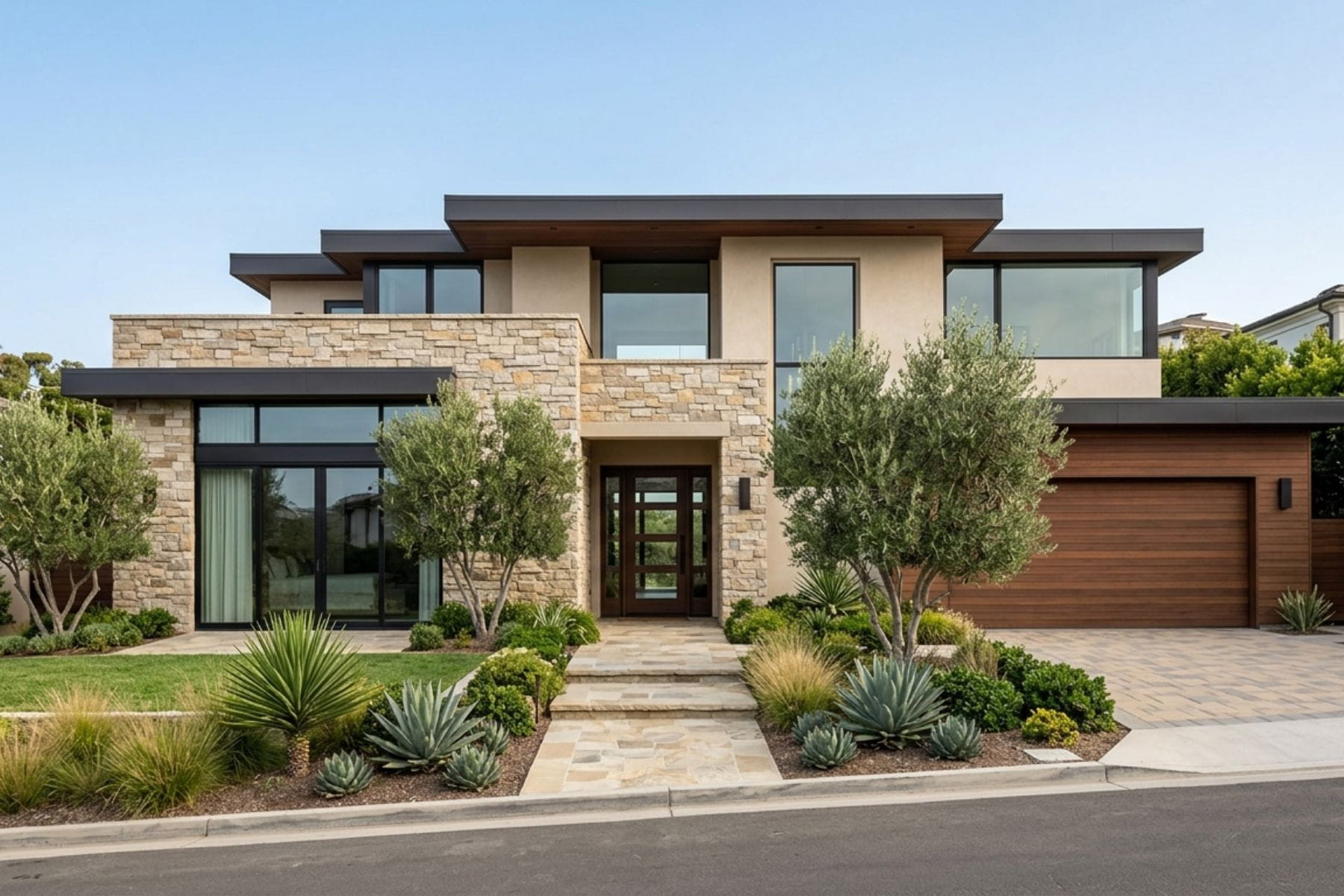
Staten Island Stone Veneer
Licensed masonry contractors serving Great Kills, Tottenville, Annadale, New Dorp, Eltingville, St. George, Stapleton, Huguenot, and all of Staten Island — no subcontractors, ever.
Stone veneer installation transforms the exterior of a Staten Island home — adding curb appeal, increasing property value, and delivering the timeless aesthetic of natural stone without the weight or cost of full stone construction. Whether you are enhancing a front facade, adding an accent wall, or wrapping a foundation, Island Built Masonry installs both natural and manufactured stone veneer to last through the most demanding northeastern winters.
We are a fully licensed masonry contractor. Our no-subcontractor policy means every installer on your project is a trained Island Built Masonry employee. We stand behind our installations because we perform them ourselves.
Get a Free Estimate — no pressure, no obligation.
What Is the Difference Between Natural and Manufactured Stone Veneer?
The first decision in any stone veneer project is material selection. Both options have legitimate applications, and we help you choose based on your goals, budget, and the specific demands of your Staten Island property.
Natural Stone Veneer
Natural stone veneer consists of real stone — typically fieldstone, bluestone, limestone, granite, or slate — cut or split into panels thin enough to apply as cladding. It carries the full visual character of genuine stone: unique color variation, natural texture, and the depth that only real material produces.
Natural stone performs exceptionally well in northeastern climates. It is dense, absorbs minimal water, and withstands freeze-thaw cycling better than most manufactured alternatives when properly installed. For historic homes in Tottenville or St. George — where architectural authenticity matters — natural stone veneer is often the appropriate choice.
The tradeoff is cost and installation complexity. Natural stone requires more careful handling, cutting, and joint design. It is heavier, and substrate preparation must account for the additional load. When budgets allow and appearance demands authenticity, natural stone is the superior product.
Manufactured Stone Veneer
Manufactured stone veneer (sometimes called faux stone or cultured stone) is a concrete-based product molded and pigmented to replicate natural stone. Modern manufactured veneer products are convincing from a distance and carry significant advantages: consistent sizing for easier installation, lighter weight, broader style range, and lower material cost.
Quality manufactured veneer products — Eldorado Stone, Cultured Stone, ProVia — perform well in Staten Island’s climate when installed correctly. The substrate must be properly waterproofed, the installation must include proper flashing and weep screeds at the base, and the mortar and stone must be compatible. When any of these elements are wrong, manufactured veneer fails through water infiltration and freeze-thaw damage. Installation quality is what separates a 30-year installation from a 5-year problem.
Stone Veneer Services for Staten Island Homes
Island Built Masonry installs stone veneer across a range of residential applications throughout Staten Island:
Front Facade Accents
Partial stone veneer on a home exterior — typically covering the lower third of the front facade, wrapped around window surrounds, or framing an entryway — is the most common application we install. It creates immediate curb appeal and dramatically changes the character of a home without full exterior replacement.
Full Foundation Cladding
Exposed concrete block or poured concrete foundations are a common feature on older Staten Island homes. Stone veneer installed over the foundation grade — from grade to the first floor line — eliminates the utilitarian look of exposed concrete and grounds the home visually. This is one of the most cost-effective exterior improvements available for the visual impact it delivers.
Entry Pillars and Column Wraps
Stone-clad entry pillars at a front porch or driveway entrance are a high-impact, contained project. We build pillar structures or wrap existing columns with stone veneer, incorporating proper caps and base detailing that handle Staten Island freeze-thaw cycles without cracking or separation.
Retaining Wall Cladding
Poured concrete or block retaining walls can be faced with stone veneer to match a home’s architectural character. We integrate drainage details and expansion provisions to ensure the cladding moves with the wall without cracking.
Accent Walls and Outdoor Fireplaces
Outdoor living spaces — patios, covered porches, outdoor kitchen areas — benefit from stone veneer accent walls and fireplace surrounds. We work with the existing structure and help select stone profiles appropriate for exterior use in the Northeast.
Our Stone Veneer Installation Process
Stone veneer installation done right follows a disciplined sequence. Shortcuts at any stage create failures that are expensive to repair.
1. Substrate Assessment and Preparation
We inspect the existing substrate — whether wood framing, concrete block, or existing stucco — and determine the appropriate waterproofing and lathing approach. All wood-frame substrates receive a code-compliant water-resistive barrier and metal lath. Concrete and masonry substrates may be applied directly or with scratch coat, depending on surface condition.
2. Flashing and Weep System Installation
At the base of any veneer installation, properly installed flashing and weep screed allow any water that penetrates behind the stone to exit at the base rather than migrate into the wall assembly. This step is non-negotiable in Staten Island’s climate. Many failed veneer installations we have been called to repair lacked this detail entirely.
3. Scratch Coat Application
Where required, we apply a Portland cement scratch coat to the metal lath, roughening the surface to improve mortar adhesion. This coat is scored while wet to create mechanical bond for the setting mortar.
4. Stone Layout and Fitting
Before mortar goes on, we lay out stones to establish the pattern, manage color distribution, and plan cuts at corners and terminations. Corners receive purpose-made corner units or hand-cut returns that maintain consistent joint width around the building edge. This dry-fit step is where experience shows.
5. Setting and Jointing
Stones are back-buttered with mortar and set into the prepared substrate, working from corners inward and from the bottom up. Joint width is maintained consistently throughout. After setting mortar has achieved initial set, joints are packed and finished to the specified profile — raked, brushed, or tight depending on the stone style.
6. Cleanup and Sealing
Mortar smears are removed from stone faces after the appropriate cure time, and the finished installation is sealed with a penetrating masonry sealer appropriate for the stone type and climate.
Stone Veneer Contractors Serving All of Staten Island
Island Built Masonry installs stone veneer throughout Staten Island, including:
- Great Kills — Active residential area; we regularly install facade accents and foundation cladding here
- Tottenville — Older homes with historic character; natural stone veneer is often specified to complement existing architecture
- Annadale — Suburban neighborhoods where stone veneer foundation cladding and entry pillar work are popular projects
- New Dorp — Residential service area for stone veneer facade projects; strong demand for curb appeal improvements
- Eltingville — We work here regularly on exterior stone veneer projects of all scales
- St. George — Urban residential with a mix of brick and frame construction; stone veneer accents add significant value
- Stapleton — Coastal exposure considered in material selection; we specify products rated for high-moisture environments
- Huguenot — Southern Staten Island residential service area; stone veneer installation available throughout
We also serve Bay Terrace, Westerleigh, Oakwood, Bulls Head, Dongan Hills, Richmond Valley, Charleston, and all surrounding Staten Island neighborhoods.
Frequently Asked Questions — Stone Veneer
How long does stone veneer last on Staten Island homes? Properly installed natural stone veneer on a correctly prepared substrate should last 50 years or more. Quality manufactured stone veneer, properly installed with adequate waterproofing and flashing, typically lasts 30 to 50 years. The primary failure modes — water infiltration and freeze-thaw damage — are both installation-quality issues, not material lifespan issues. A correctly installed job survives Staten Island winters for decades; a shortcut installation fails in the first few years.
Does stone veneer add to the structural load of my home? Full stone veneer adds meaningful weight compared to siding. Natural stone veneer typically runs 15 to 20 pounds per square foot; manufactured veneer is lighter at 9 to 12 pounds per square foot. For most residential applications, the existing structure handles the load without modification, but we assess substrate condition and load path as part of our installation planning.
What is the difference between stone veneer and stacked stone? Both are exterior or interior stone cladding, but they differ in joint treatment and visual character. Traditional stone veneer uses mortar-filled joints between stones, creating a jointed masonry appearance. Stacked stone (dry-stack or tight-joint installation) uses stones with minimal or concealed joints, creating a continuous, horizontal-bed appearance. We install both styles.
Can stone veneer be installed over existing siding or stucco? It depends on the condition and type of the existing surface. Some existing substrates — particularly older stucco in sound condition — can serve as a setting bed after preparation. Others need to be removed to ensure a stable, waterproof substrate. We assess the existing conditions and recommend the correct approach. We do not install stone veneer over surfaces that are not capable of providing a sound, long-term bond.
How do I care for stone veneer after installation? Natural and manufactured stone veneer requires minimal maintenance. Annual inspection of joints and any visible cracking, periodic rinsing to remove biological growth (moss, algae) in shaded areas, and reapplication of penetrating sealer every five to ten years are the primary tasks. We walk you through maintenance specifics at project completion based on the stone type installed.
Request a Free Stone Veneer Estimate
Island Built Masonry brings licensed masonry expertise and our no-subcontractor commitment to every stone veneer project on Staten Island. We specify materials appropriate for northeastern climates, waterproof correctly, and install to last.
Call us or submit our contact form to schedule a free estimate. We review your project, discuss material options, and provide a clear, detailed quote.
Ready to transform your home exterior? Island Built Masonry — Staten Island stone veneer installation done right.